

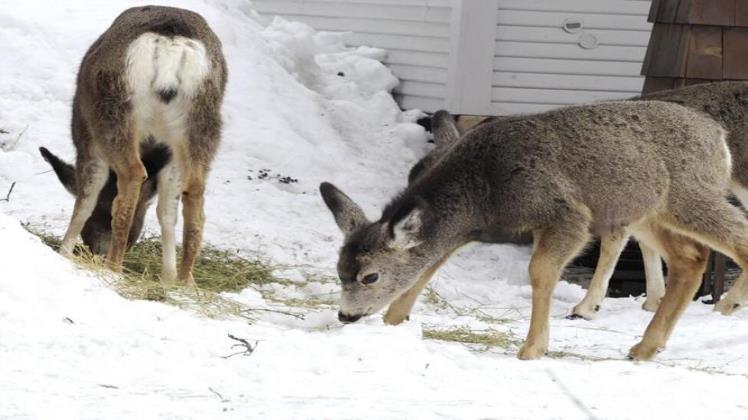
Feeding backyard deer is a rewarding and enjoyable activity that allows you to connect with nature and contribute to the well-being of local wildlife. Establishing a sustainable routine ensures the health of the deer and enhances your overall outdoor experience. Let’s look at practical strategies for feeding backyard deer all year long in this tutorial. From understanding their dietary needs to choosing the right locations, this article will offer valuable insights into creating a deer-friendly environment.
Seasonal Considerations:
As the seasons change, so do the dietary requirements of deer. Adequate nourishment is of utmost importance, particularly in the severe winter months when pasture becomes limited. Providing a diet rich in protein during spring and summer supports antler growth and fawn development. Consider placing feeding stations near areas with lush vegetation to grant deer easy access to the nutrition they need. Additionally, positioning these stations in proximity to natural water sources ensures a well-rounded and supportive environment for deer throughout the changing seasons, promoting their overall health and well-being.
Strategic Placement:
Proper placement of your deer feeder is key to attracting and sustaining a healthy deer population. Position the feeder in an open area with a clear line of sight, ensuring the deer feel secure while feeding. Placing the feeder near natural cover, such as trees or shrubs, allows them to retreat quickly if they sense danger. Additionally, consider incorporating rocks or logs around the feeder, providing a natural and secure environment for the deer to navigate. This thoughtful addition mimics their natural habitat, fostering a sense of familiarity and safety. Remember to maintain a safe distance from your home to minimize any potential disturbances to the deer and to avoid attracting them to areas where they might pose a risk to themselves or property.
Feeder Types and Maintenance:
Various types of feeding stations are available, each with its advantages. Gravity feeders, relying on the natural force of gravity to dispense food, are popular for their simplicity and low maintenance. Timed feeders, offering controlled portions at scheduled intervals, provide a regulated feeding routine. Regular maintenance is essential to maintain cleanliness and stop the spread of disease, regardless of the type you select. Clean feeding stations regularly, and if using supplemental food, ensure it aligns with the nutritional needs of deer. Additionally, monitoring the structural integrity of the feeding stations ensures their longevity and continued effectiveness in supporting the well-being of the local deer population. Regular inspections can help identify any necessary repairs or adjustments needed to keep the feeding stations in optimal condition.
Natural Foraging Opportunities:
While feeding stations are essential for supplemental nutrition, it’s equally important to cultivate a deer-friendly environment that encourages natural foraging. A varied and long-lasting food source can be produced by planting native plants like alfalfa, clover, and other plants that are friendly to deer. Additionally, providing fresh water sources, like birdbaths or shallow containers, ensures that deer have access to hydration, especially during dry periods. This thoughtful approach not only supports their nutritional needs but also contributes to the overall biodiversity of your outdoor space, fostering a healthier ecosystem for both wildlife and plant life.
Minimizing Human Impact:
Respecting the wild nature of deer is paramount to maintaining a harmonious relationship between humans and wildlife. Avoid overfeeding, as this can disrupt the natural foraging habits of deer and lead to dependence on artificial food sources. Furthermore, refrain from approaching or attempting to touch deer, as this can cause stress and potentially harm the animals. Adopt a passive observing strategy and let deer carry on with their regular activities unhindered. By minimizing human impact, you contribute to the well-being and longevity of the deer population in your backyard.
Conclusion:
Feeding backyard deer is a delightful endeavor that requires careful consideration of the changing seasons, strategic feeding area placement, and the types of feeding stations used. By incorporating feeding areas into your outdoor space and promoting natural foraging opportunities, you create a balanced environment that supports the health and vitality of local deer. Remember, the goal is to enhance the lives of these majestic creatures while respecting their autonomy in the wild. Embracing these practices not only benefits the deer but also fosters a deeper connection between humans and the natural world, enriching the overall ecosystem.
