

If you have a cat, you understand the joy and companionship these furballs bring into our lives. However, along with the love and cuddles, sometimes we face unexpected challenges. These can be as torturous as managing health conditions like hyperthyroidism in cats.
In this blog, we’ll explore the emotional and financial aspects of dealing with feline hyperthyroidism. We hope these tips and advice help you navigate this difficult journey.
Understanding Feline Hyperthyroidism
Feline hyperthyroidism is a familiar endocrine disorder in elderly cats, particularly caused by an overactive thyroid gland. The hormones that control metabolism are produced by the thyroid gland, situated in the neck. An enlarged gland may cause an excess of thyroid hormones. This, in turn, causes symptoms, like heart problems, restlessness, vomiting, and diarrhea.
The disease also presents with signs of body weight loss despite an increased appetite, frequent urination, and increased thirst. Change in their coat quality is another major symptom.
Treatment Consideration for Feline Hyperthyroidism
Treating hyperthyroidism in cats involves radioactive iodine therapy, medication, or surgical thyroidectomy.
- Medication: Felimazole is used to treat hyperthyroidism in cats. Felimazole, a drug containing methimazole, is prescribed to inhibit thyroid hormone production. For cats who are not tolerant to oral medication, transdermal methimazole can be a viable option.
- Radioactive iodine therapy: I-131 therapy, which calls for specialized facilities, selectively destroys abnormal thyroid tissue and frequently results in long-term remission.
- Surgical thyroidectomy: Surgically removing the damaged thyroid tissue may sometimes provide a permanent solution. However, this involves anesthesia and, naturally, poses risks.
Diagnosis is typically confirmed through a combination of physical examination, clinical signs, and blood tests that measure thyroid hormone levels. Notably, a small percentage of cats may show normal T4 levels despite having hyperthyroidism, necessitating further tests.
Seeking Veterinary Care
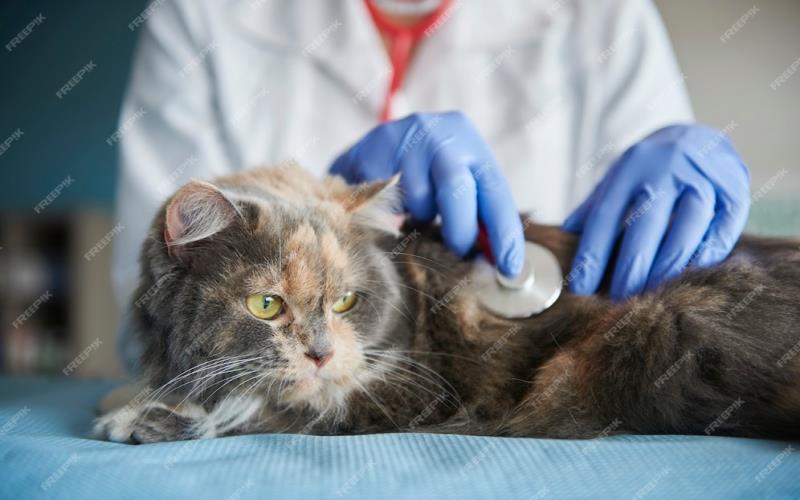
To begin managing your cat’s hyperthyroidism, consult your veterinarian for medical advice. They will examine your cat in great detail and might suggest blood tests to check thyroid hormone levels. Following a diagnosis, your veterinarian might recommend medicine or necessary treatment procedures to treat the ailment.
As per PetRx, work closely with your veterinarian to customize the course of treatment for your cat. Their advice will also guarantee the best result.
Dietary Management for Cats with Hyperthyroidism
A healthy diet is essential for the management of hyperthyroidism in cats. Giving your cat a meal with less iodine may help lower the production of thyroid hormones. To further promote their general health, make sure that their meals are abundant in vital nutrients.
For dietary advice suited to your cat’s particular requirements, speak with your veterinarian. Providing them with wholesome, species-appropriate food for cats can enhance their well-being. It also helps their treatment plan succeed. Make sure they receive the right nutrition while managing their thyroid condition.
Tips for Coping with Emotional Challenges
It can be emotionally draining to deal with a cat’s illness. Here are some tips to help you cope:
- Keep yourself informed: Learn about the various treatments for feline hyperthyroidism. Gaining knowledge about the illness can reduce your anxiety and give you the ability to make wise decisions.
- Seek support: If you need emotional support, do not be afraid to get in touch with friends, family, or online support groups. It can be consoling to share your feelings and thoughts with those who have undergone a comparable experience.
- Follow your cat’s development: Observe your feline companion’s health and promptly notify your veterinarian of any modifications. Effective management of feline hyperthyroidism requires routine examinations and observation.
Tips for Overcoming Financial Difficulties
The cost of treating a cat’s hyperthyroidism may increase. Here are some pointers to assist with cost management:
- Examine your options for treatment: Talk with your veterinarian about all of your options for care, such as radioactive iodine therapy and surgery. Together, you can choose the best choice for your cat’s health and financial situation.
- Think about insurance: Pet insurance can assist in defraying the cost of veterinary care, which includes hyperthyroidism treatment. Examine various insurance policies and select one that offers sufficient coverage for the requirements of your pet.
- Prepare for the future: Take into account possible costs associated with your cat’s condition down the road. It includes continuing prescription drugs like methimazole and additional veterinary visits. Stress and uncertainty can be reduced with the implementation of a financial plan.
To wrap it up, always put your cat’s health and well-being first. Get veterinary care as soon as possible, and remember to look after yourself as well.
Never forget to heed your veterinarian’s advice when it comes to administering and calculating medication dosages. Despite their condition, you can help your cat live a happy and healthy life with love, patience, and medical care.
