

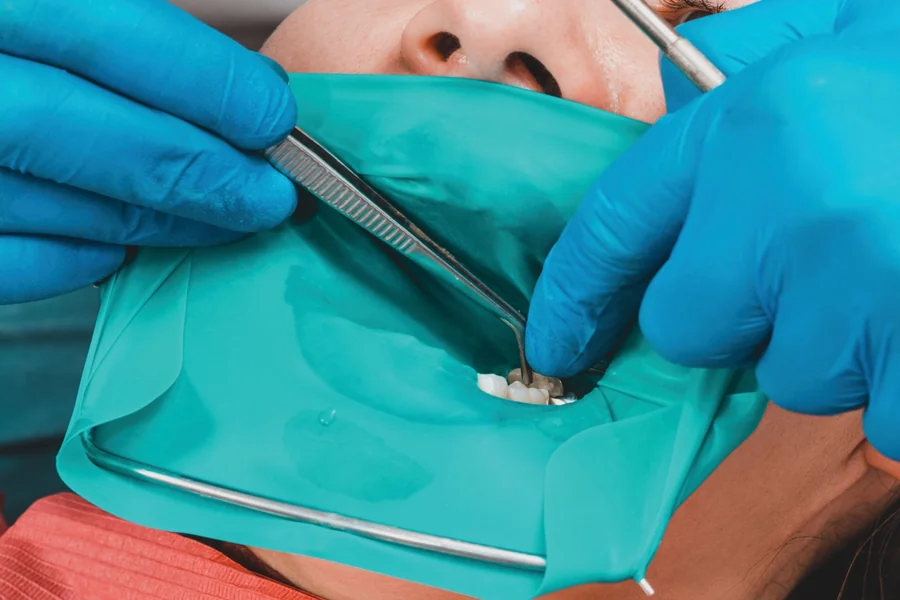
As a dentist in Sterling, VA, you understand the importance of tools that enhance efficiency and patient comfort. The rubber dam might seem a simple tool, yet it holds surprising benefits for daily practice. Many overlook its potential, focusing only on its primary role in isolating teeth. However, beyond this basic function, the rubber dam can transform your practice in unanticipated ways. Reducing stress for both you and your patients creates a calmer atmosphere. It also boosts efficiency, allowing you to focus solely on the tooth at hand. Additionally, the rubber dam reduces the risk of contamination, ensuring a cleaner workspace. Patients experience less anxiety as they remain comfortable and protected throughout procedures. In short, this unassuming tool offers more than meets the eye. Discover how embracing the rubber dam can lead to a more effective, patient-centered practice.
1. Enhanced Infection Control
The rubber dam plays a crucial role in infection control. By providing a barrier between the oral cavity and the tooth being treated, it significantly decreases the risk of cross-contamination. This means fewer germs travel between patients, creating a safer environment. The Centers for Disease Control and Prevention highlights the importance of infection control, especially in dental settings. With a rubber dam, you uphold high hygiene standards in every procedure.
2. Improved Visibility and Access
When you use a rubber dam, you gain better visibility. It retracts the lips, tongue, and cheeks, giving you a clear view of the tooth. This improved access allows for more precision in your work. The ability to see assures that you can focus on the details. This, in turn, can lead to better outcomes and higher patient satisfaction.
3. Patient Comfort and Safety
Patient comfort is crucial, and the rubber dam contributes significantly to this. Minimizing the entry of foreign objects into the throat reduces the chance of choking or swallowing debris. Patients can relax, knowing they’re safe and protected from potential hazards. This comfort translates into a more pleasant experience, which encourages them to return for future treatments.
4. Time Efficiency
Using a rubber dam saves time. It simplifies procedures by keeping the area dry and isolated, allowing you to work efficiently. With fewer interruptions, you complete treatments faster. This means you can see more patients and improve your practice’s productivity. Efficiency in procedures benefits both you and your patients, providing a smoother workflow.
5. Increased Treatment Success
Treatments performed with a rubber dam often yield better results. By maintaining a clean and dry environment, the dam allows dental materials to adhere better to the tooth surface. This leads to stronger and longer-lasting restorations. A successful treatment builds trust with your patients, reinforcing their confidence in your care.
Comparison Table: Rubber Dam vs. No Rubber Dam
| Aspect | With Rubber Dam | Without Rubber Dam |
|---|---|---|
| Infection Control | High | Moderate |
| Visibility | Clear | Obstructed |
| Patient Comfort | High | Moderate |
| Time Efficiency | Improved | Less Efficient |
| Treatment Success | Increased | Variable |
Conclusion
Incorporating a rubber dam into daily practice offers multiple benefits, enhancing both patient experience and treatment quality. It ensures infection control, improves visibility, increases comfort, saves time, and boosts treatment success. These advantages help establish a trustworthy and reliable dental practice. Dentists can confidently provide top-tier care by integrating this simple yet powerful tool. For more guidance, refer to resources from the American Dental Association. Elevate your practice by embracing the unexpected benefits of rubber dam usage.
