

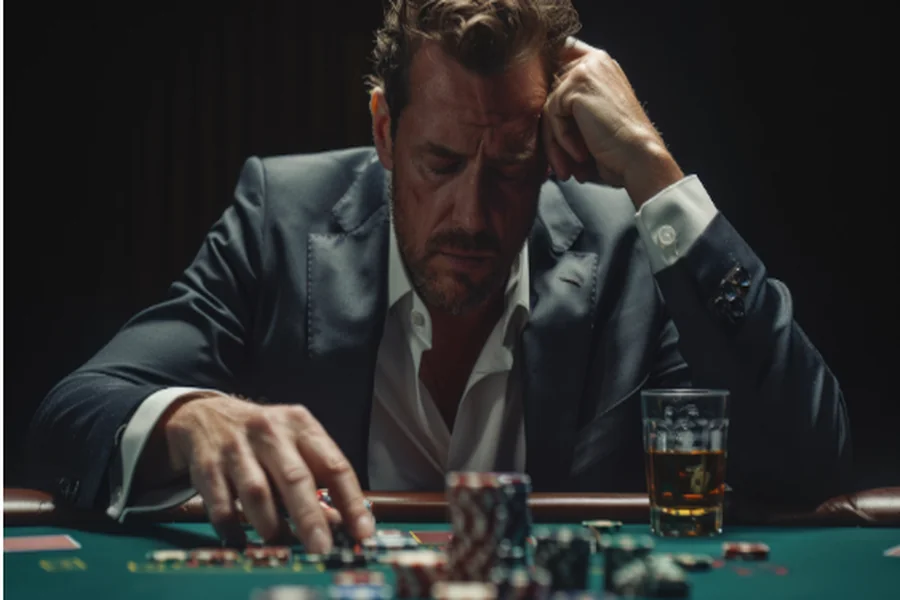
Las Vegas’ 24/7 lifestyle impacts your mental health in ways most residents don’t realize until problems appear. The city that never sleeps creates unique challenges for your brain. Bright lights shine at 3 AM. Casinos stay open around the clock. Restaurants serve breakfast at midnight. This constant activity feels exciting at first. But over time, it takes a toll on your mental wellness.
Living in Las Vegas means living against your body’s natural clock. Your brain expects darkness at night and sunlight during the day. Vegas flips this expectation upside down. The result? Sleep problems, anxiety, and depression become common among locals.
Why Your Brain Needs Darkness and Routine
Your body runs on an internal clock called the circadian rhythm. This clock tells you when to feel awake and when to feel tired. It responds to light and darkness. When the sun goes down, your brain releases melatonin. This hormone makes you sleepy and prepares your body for rest.
Las Vegas disrupts this natural process. Casino floors have no windows or clocks. Neon signs light up the Strip all night long. Even neighborhoods glow from nearby businesses. Your brain gets confused signals about what time it actually is.
Research shows that circadian rhythm disruption links to serious mental health issues. People with disrupted sleep cycles face higher rates of depression and anxiety. They also struggle with focus, memory, and emotional regulation. The constant stimulation in Vegas makes it hard to wind down and rest properly.
The Hidden Cost of Shift Work
Las Vegas employs over 360,000 people in the hospitality industry. Many of these workers rotate through day, swing, and graveyard shifts. This schedule destroys any chance of a normal sleep routine.
Shift workers face unique mental health challenges:
- Higher rates of depression compared to day workers
- Increased anxiety and irritability
- Greater risk of substance use disorders
- More relationship problems due to schedule conflicts
- Difficulty maintaining social connections
A study found that 75% of casino workers report stress as a major source of job dissatisfaction. The irregular hours compound this stress. Your body never fully adjusts to changing schedules. You feel tired during work and wired when you should sleep.
Night shift workers often feel isolated, too. When you work while others sleep, maintaining friendships becomes difficult. This social isolation feeds into depression and loneliness. Many people turn to alcohol or other substances to cope with stress and help them sleep.
Constant Stimulation Wears You Down
Vegas is designed to keep you alert and engaged. Slot machines flash bright colors. Music plays everywhere you go. Free drinks flow in casinos. Every corner offers something exciting.
This constant stimulation exhausts your nervous system. Your brain stays in a heightened state of alertness. It pumps out stress hormones like cortisol and adrenaline. Short bursts of these chemicals help you respond to real threats. But constant exposure wears down your mental reserves.
Many residents report feeling anxious without knowing why. They experience racing thoughts, trouble relaxing, and a sense of being “on edge” all the time. Some develop panic attacks. Others find themselves snapping at loved ones over small issues.
The gambling environment adds another layer of stress. Even if you don’t gamble, you live surrounded by it. Convenience stores have slot machines. Grocery stores have slot machines. This normalization of risk-taking behavior affects how your brain processes rewards and decisions.
Transient Population and Loneliness
Las Vegas has one of the most transient populations in America. People move here for jobs, then leave when opportunities dry up. Making lasting friendships becomes challenging when neighbors change every year.
Loneliness significantly impacts mental health. Humans need connection and community to thrive. Without stable relationships, people often experience:
- Increased depression symptoms
- Higher anxiety levels
- Lower self-esteem
- Greater risk of substance abuse
- Physical health problems
The tourist-focused culture also creates a strange dynamic. Millions visit Vegas each year to escape their normal lives. Residents serve these visitors while watching them party and celebrate. This can create feelings of being “stuck” or missing out on life’s pleasures.
Many people move to Vegas expecting the excitement to fulfill them. When the novelty wears off, they feel empty. The flashy entertainment that attracted them now feels hollow. This disillusionment triggers depression in many newcomers.
Warning Signs You Shouldn’t Ignore
Living in Vegas requires extra attention to your mental health. Watch for these warning signs that the lifestyle may be affecting you:
- Sleeping less than six hours most nights
- Needing alcohol or sleep aids to fall asleep
- Feeling exhausted even after sleeping
- Losing interest in activities you once enjoyed
- Withdrawing from friends and family
- Feeling anxious or on edge most days
- Difficulty concentrating at work
- Mood swings or irritability
- Using gambling, drinking, or drugs to cope with stress
These symptoms don’t mean something is wrong with you. They mean your environment is challenging your mental wellness. Recognizing the problem is the first step toward feeling better.
Practical Ways to Protect Your Mental Health
You can live well in Las Vegas with the right strategies. Start by creating boundaries between yourself and the constant stimulation.
Control your light exposure. Use blackout curtains in your bedroom. Dim the lights in your home after sunset. Wear blue-light blocking glasses if you work night shifts. Get morning sunlight when possible to help reset your internal clock.
Establish consistent routines. Eat meals at regular times. Go to bed at the same time, even on days off. Create a wind-down routine before sleep. Your brain craves predictability even when your schedule doesn’t allow it.
Find community outside the Strip. Las Vegas has neighborhoods full of families and long-term residents. Join clubs, sports leagues, or volunteer organizations. Building stable relationships protects against loneliness and depression.
Practice stress-reduction techniques. Activities like yoga and meditation help calm your nervous system. They teach your brain to shift out of high-alert mode. Regular practice builds resilience against stress and improves emotional balance.
Limit casino exposure. You don’t have to avoid casinos entirely. But be mindful of how much time you spend in that environment. Take breaks to step outside and see natural light.
Set boundaries with alcohol. Vegas normalizes heavy drinking. Be honest about whether alcohol helps or hurts your sleep and mood. Many people find that their anxiety and depression improve when they cut back.
When to Seek Professional Help
Sometimes self-help strategies aren’t enough. The Vegas lifestyle can trigger or worsen serious mental health conditions. You deserve professional support if you’re struggling.
Consider reaching out to a mental health provider if:
- Your symptoms last more than two weeks
- Sleep problems persist despite lifestyle changes
- You’re using substances to cope
- Depression or anxiety interferes with work or relationships
- You have thoughts of self-harm
A psychiatric evaluation can identify what’s happening and create a treatment plan. Modern treatments work well for most people. Medication, therapy, or a combination often brings significant relief. If you have Las Vegas mental health questions, talking to a professional can provide clarity and direction.
Don’t wait until you’re in crisis. Early intervention leads to better outcomes. Many people feel dramatically better within weeks of starting treatment.
Living Well in the City That Never Sleeps
Las Vegas offers incredible opportunities and experiences. But it also challenges your mental health in unique ways. Understanding these challenges helps you protect yourself.
Your brain needs rest, routine, and connection to function well. Vegas works against all three. By making conscious choices about your environment and habits, you can enjoy this city without sacrificing your wellness.
Pay attention to how you feel. Take warning signs seriously. Reach out for help when you need it. With the right approach, you can thrive in Las Vegas without burning out. Your mental health matters more than any jackpot this city has to offer.
