

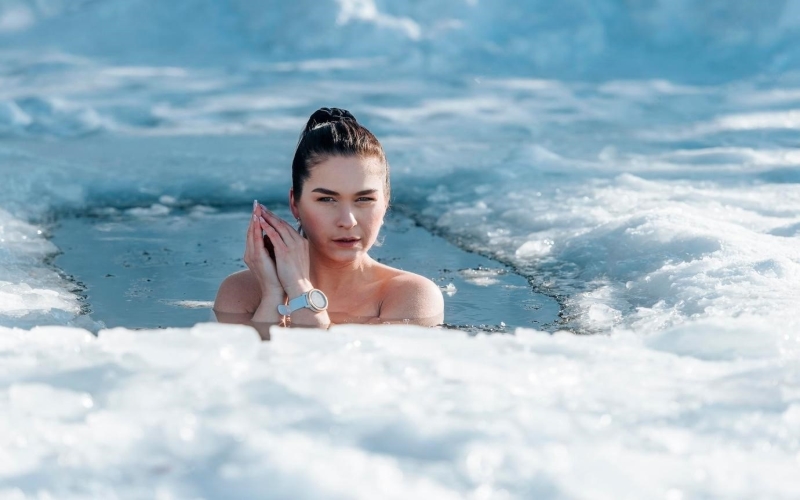
Step into the icy waters of the latest wellness trend: ice bath therapy. This chilling practice, once reserved for athletes and daredevils, is rapidly gaining popularity among wellness enthusiasts. By subjecting the body to freezing temperatures, proponents believe ice baths have a range of benefits, including reducing inflammation, boosting circulation, and improving mental clarity.
Whether in the form of cold plunge pools, togelup ice baths, or cryotherapy chambers, the principle remains the same – exposing the body to extreme cold for a limited period. The cold shock triggers a cascade of physiological responses, promoting healing and rejuvenation. Advocates of ice bath therapy swear by its ability to increase energy levels, enhance recovery from workouts, and even alleviate symptoms of depression and anxiety.
History of Ice Bath Therapy
Ice bath therapy is not a new concept. It can be traced back to ancient civilizations such as the Greeks and Romans, who used cold water immersion for medicinal purposes. The idea of cold exposure for therapeutic benefits has persisted throughout history, with various cultures incorporating it into their healing practices.
One notable figure in the history of ice bath therapy is Wim Hof, also known as “The Iceman.” Hof has popularised the practice of cold exposure through his extreme feats, such as climbing Mount Everest in shorts and running marathons barefoot in the Arctic. His techniques involve a combination of controlled breathing exercises and exposure to cold temperatures, which he claims have allowed him to control his autonomic nervous system and withstand extreme cold.
Benefits of Ice Bath Therapy
Ice bath therapy is believed to offer a multitude of benefits for both the body and mind. One of the primary advantages is its ability to reduce inflammation. When the body is exposed to extreme cold, blood vessels constrict, which can help reduce swelling and inflammation in muscles and joints. This makes ice baths particularly beneficial for athletes recovering from intense workouts or individuals with conditions such as arthritis.
Another touted benefit of ice bath therapy is improved circulation. When the body is subjected to cold temperatures, blood vessels constrict and then dilate upon rewarming. This cycle of constriction and dilation is thought to enhance blood flow and oxygen delivery to the muscles and organs, promoting healing and overall well-being.
Ice baths are also believed to have a positive impact on mental health. The shock of cold water can stimulate the release of endorphins, which are natural mood boosters. Additionally, the practice of ice bath therapy often involves controlled breathing techniques, which can help calm the mind and reduce stress and anxiety.
Scientific Evidence Behind Ice Bath Therapy
While anecdotal evidence and personal testimonials abound, scientific research on the benefits of ice bath therapy is still relatively limited. However, some studies have provided insights into the physiological responses triggered by cold exposure.
A study published in the Journal of Science and Medicine in Sport found that cold water immersion after intense exercise resulted in reduced muscle soreness and improved muscle recovery. The researchers concluded that cold water immersion may be an effective strategy for accelerating the recovery process in athletes.
Another study published in the European Journal of Applied Physiology explored the effects of cold water immersion on markers of inflammation. The researchers found that a single cold water immersion session led to a decrease in inflammatory markers, supporting the idea that ice baths can help reduce inflammation.
It’s important to note that while these studies show promising results, more research is needed to fully understand the mechanisms and long-term effects of ice bath therapy.
How to Safely Prepare for an Ice Bath
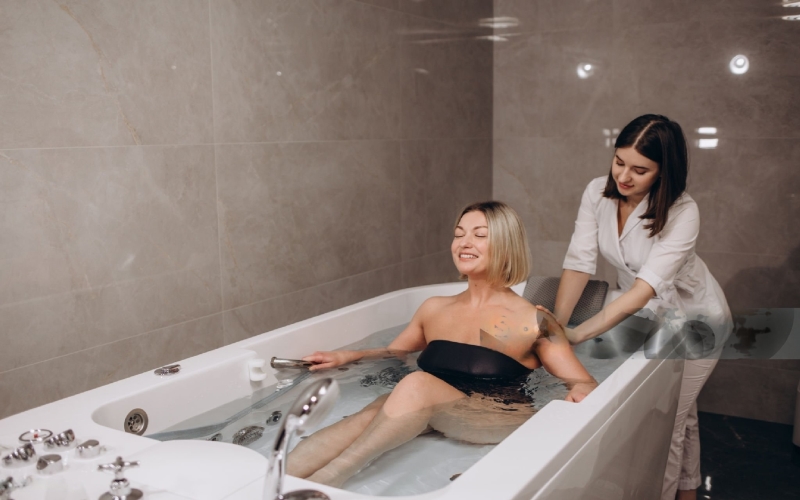
Before diving headfirst into the icy waters of an ice bath, it’s essential to take certain precautions to ensure your safety and maximise the potential benefits. Proper preparation can help minimise the risks associated with cold exposure.
Firstly, it’s crucial to consult with a healthcare professional, especially if you have any underlying health conditions. They can provide guidance on whether ice bath therapy is suitable for you and offer recommendations based on your individual circumstances.
Additionally, it’s important to start gradually and acclimate your body to cold exposure. Begin with shorter sessions of cold showers or plunges in cool water to allow your body to adjust to the sensations. Over time, you can gradually increase the duration and intensity of the cold exposure.
It’s also essential to ensure you have the necessary equipment and resources for an ice bath. This includes a well-insulated container or tub large enough to accommodate your body comfortably, a reliable thermometer to monitor the water temperature, and a timer to keep track of your immersion time.
Lastly, always listen to your body and pay attention to any signs of discomfort or distress. If you experience extreme cold sensations, dizziness, or difficulty breathing, exit the ice bath immediately and seek medical attention if necessary.
Step-by-Step Guide to Taking an Ice Bath
Taking an ice bath may seem intimidating at first, but with proper preparation and guidance, it can be a rewarding experience. Here is a step-by-step guide to help you navigate the cold waters of an ice bath:
- Fill the container or tub with cold water: Start by filling the container or tub with cold water. The ideal temperature for an ice bath is around 50 to 59 degrees Fahrenheit (10 to 15 degrees Celsius). Use the thermometer to ensure the water is within the desired range.
- Add ice if desired: If you want to intensify the cold experience, you can add ice to the water. This will lower the temperature further, but be cautious not to use too much ice, as it can be uncomfortably cold.
- Begin with a warm-up: Before immersing yourself in the ice bath, perform a brief warm-up to get your blood flowing. This can include light stretching, gentle exercises, or a short walk.
- Gradually enter the ice bath: Slowly lower your body into the ice bath, starting with your legs and gradually submerging the rest of your body. Take slow, deep breaths to help regulate your body’s response to the cold.
- Focus on controlled breathing: Once fully immersed, focus on your breathing. Take slow, deep breaths in through your nose and exhale through your mouth. This can help calm your mind and promote relaxation.
- Stay in the ice bath for a predetermined time: The recommended duration for an ice bath session is typically between 5 to 15 minutes. However, if you’re new to ice bath therapy, start with shorter durations and gradually increase as you become more accustomed to the cold.
- Warm up gradually: After your desired immersion time, slowly exit the ice bath. Wrap yourself in warm towels or blankets to help your body warm up gradually. Avoid sudden temperature changes, as this can be uncomfortable and potentially harmful.
- Allow time for recovery: Give your body time to recover after an ice bath session. Rest, hydrate, and listen to your body’s needs. It’s normal to feel a tingling sensation or mild discomfort, but if you experience any severe pain or prolonged discomfort, seek medical attention.
Ice Bath Therapy vs. Other Cold Therapies
Ice bath therapy is just one form of cold therapy that has gained popularity in recent years. Other cold therapies include cryotherapy chambers, cold showers, and cold compresses. Each method has its own unique benefits and considerations.
Cryotherapy chambers involve exposing the body to extremely cold temperatures, typically between -200 to -300 degrees Fahrenheit (-130 to -180 degrees Celsius), for a short duration. This form of cold therapy is often favoured by athletes and individuals seeking quick, whole-body cold exposure. However, cryotherapy chambers can be costly and require specialised equipment.
Cold showers, on the other hand, are a more accessible form of cold therapy. By ending your shower with a blast of cold water, you can experience many of the benefits associated with ice bath therapy, such as improved circulation and mood enhancement. Cold showers can be a convenient and cost-effective way to incorporate cold exposure into your daily routine.
Cold compresses are another common method of cold therapy. These involve applying a cold pack or ice pack to specific areas of the body to reduce swelling, inflammation, and pain. Cold compresses are often used in localised treatment, such as for injuries or post-workout recovery.
While each form of cold therapy provides its own set of benefits, ice bath therapy offers a unique experience of full-body immersion in cold water, which some individuals find more invigorating and transformative.
Common Misconceptions About Ice Bath Therapy
Despite its growing popularity, ice bath therapy is surrounded by several misconceptions. Here are some common misconceptions debunked:
- Ice baths are only for athletes: While ice baths have long been used by athletes for muscle recovery, they are not exclusive to this group. Ice bath therapy can benefit anyone looking to reduce inflammation, improve circulation, or promote mental well-being.
- Ice baths are excruciatingly cold: While ice baths do involve exposure to cold temperatures, they can be customised to suit individual preferences. The water temperature can be adjusted, and the duration of the immersion can be gradually increased over time.
- Ice baths are dangerous: When done safely and responsibly, ice bath therapy is generally considered safe. However, it’s important to consult with a healthcare professional, especially if you have any underlying health conditions. Additionally, it’s crucial to listen to your body and exit the ice bath if you experience extreme discomfort or distress.
- Ice baths are a cure-all: While ice bath therapy has its benefits, it’s not a miracle cure for all ailments. It should be viewed as a complementary practice to an overall healthy lifestyle, including proper nutrition, exercise, and adequate rest.
Personal Stories and Testimonials from Ice Bath Enthusiasts
The best way to truly understand the effects of ice bath therapy is to hear from individuals who have experienced its benefits firsthand. Countless ice bath enthusiasts have shared their personal stories and testimonials, highlighting the positive impact it has had on their physical and mental well-being.
Many athletes, both professional and amateur, credit ice bath therapy as a crucial component of their recovery routine. They describe how ice baths have helped them reduce muscle soreness, enhance their performance, and accelerate their recovery after intense workouts or competitions.
Individuals struggling with mental health issues, such as depression and anxiety, have also reported positive outcomes from ice bath therapy. They describe how the cold immersion and controlled breathing exercises have helped them find calmness, reduce stress, and improve their overall mood.
While personal stories and testimonials are valuable, it’s important to remember that individual experiences may vary, and more research is needed to establish the full extent of ice bath therapy’s benefits.
Is Ice Bath Therapy Right for You?
Ice bath therapy, with its invigorating and potentially transformative effects, is undeniably gaining traction as a popular wellness trend. From reducing inflammation and improving circulation to enhancing mental clarity and well-being, the potential benefits of ice bath therapy are promising.
However, before taking the plunge, it’s crucial to consider your individual circumstances, consult with a healthcare professional, and proceed with caution. Ice bath therapy is not suitable for everyone, and it’s important to prioritise your safety and well-being.
If you decide to explore ice bath therapy, start gradually, acclimate your body to the cold, and listen to your body’s signals. Proper preparation, equipment, and guidance can help you reap the potential benefits while minimising any associated risks.
So, are you ready to embrace the chilling wellness trend and dive into the world of ice bath therapy? It’s time to take the plunge and discover the invigorating power of the cold.
